c. 3300 BCE
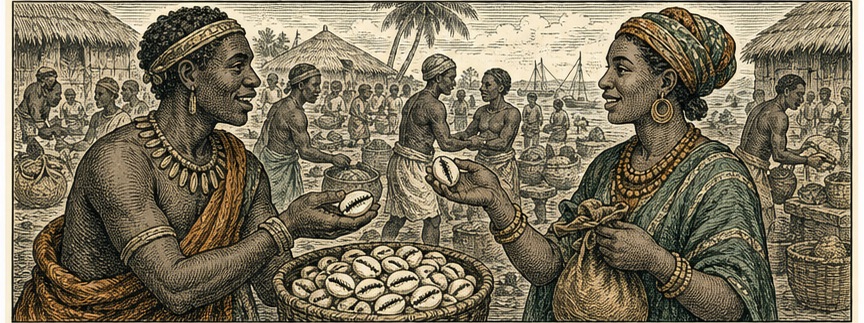
Shell corporations begin
Cowrie shells circulate as money for millennia. Humanity immediately discovers offshore liquidity, except the offshore part is literal.
More detailsA rigorously unserious tour from shell corporations to the You Standard.
Cowrie shells circulate as money for millennia. Humanity immediately discovers offshore liquidity, except the offshore part is literal.
More details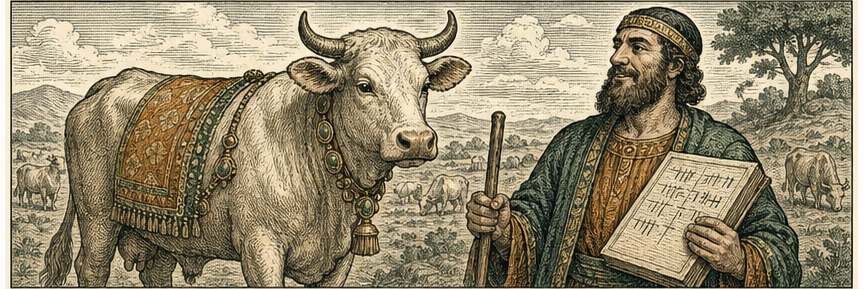
Cattle serve as wealth in many societies. The portfolio can walk away, eat your lawn, and experience moods.
More details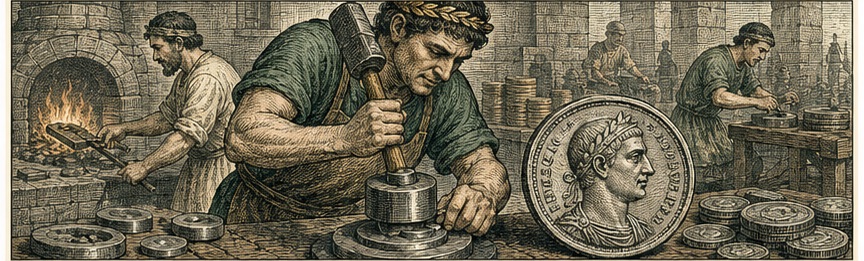
Stamped metal makes value portable and gives rulers a durable new place to put their faces.
More details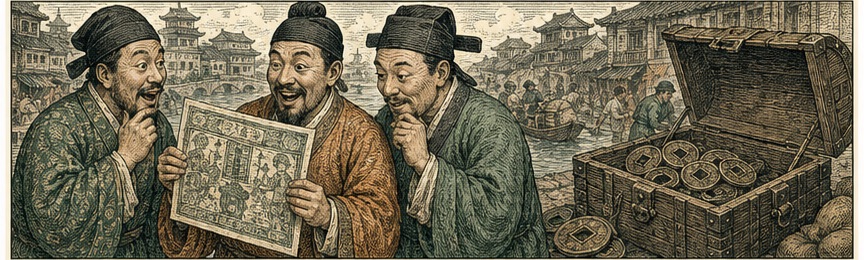
China introduces paper money. Everyone agrees a rectangle is much easier to carry than a cow.
More details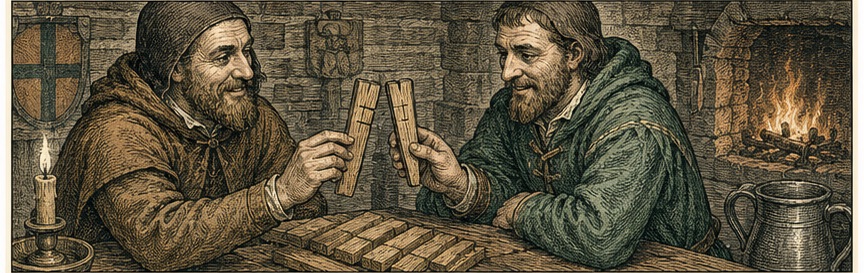
Split wooden tally sticks record debts. One half goes to each party: blockchain, but vulnerable to fireplaces.
More details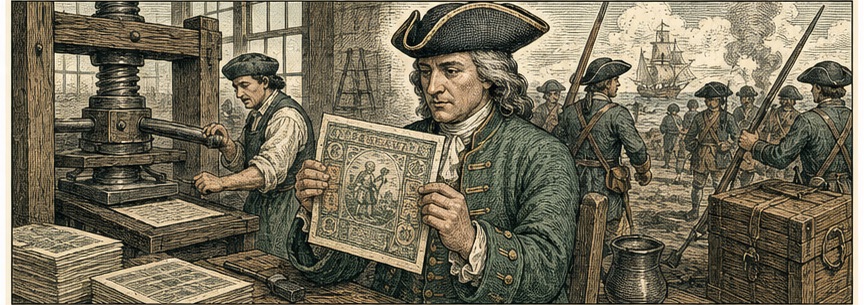
The colony issues paper money to finance a military expedition—the American tradition of paying for things with future optimism begins.
More details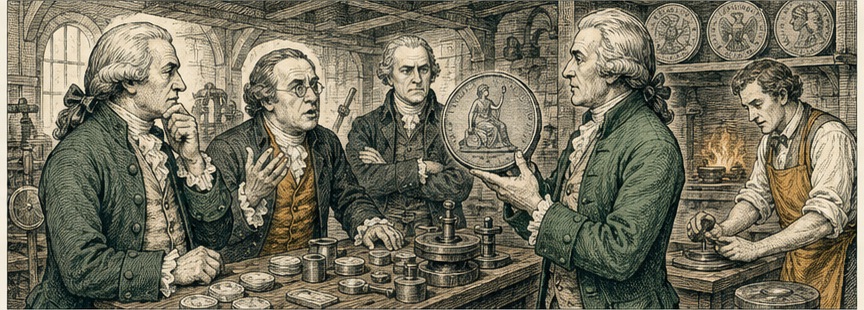
The Coinage Act creates the U.S. dollar. Nobody thinks to put your face on it.
More details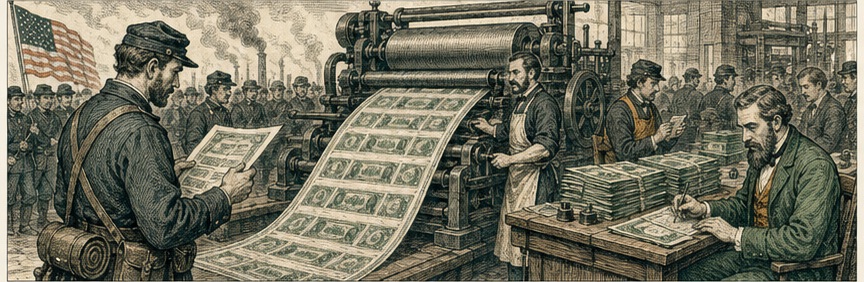
Civil War Demand Notes earn their nickname from the green ink on their backs. Every U.S. note issued since remains valid at face value.
More details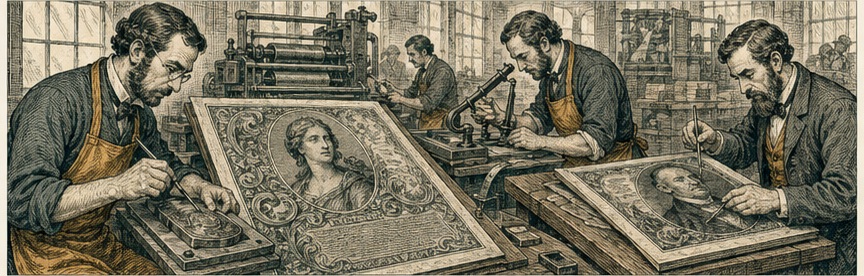
The Bureau of Engraving and Printing starts producing the faces and seals of U.S. notes. Before that, private firms printed them.
More details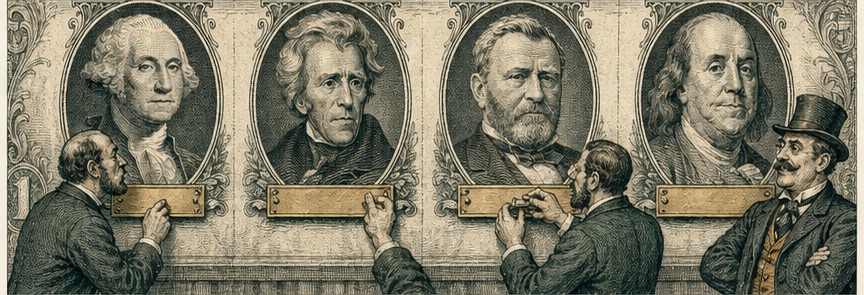
Congress requires names beneath banknote portraits—apparently the public was tired of asking, “Who is that extremely serious man?”
More details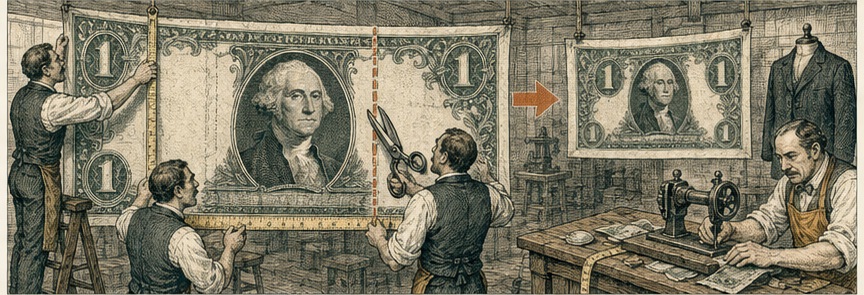
U.S. notes shrink by roughly thirty percent to cut manufacturing costs. The government invents shrinkflation but leaves the denomination unchanged.
More details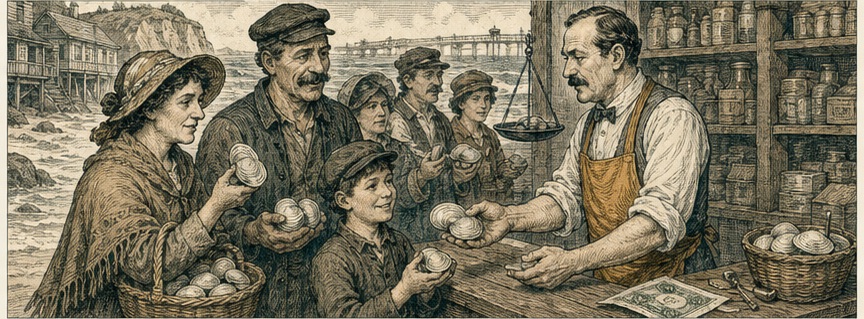
During a Depression-era currency shortage, Pismo Beach uses seashells as local money. At last, a genuinely liquid asset.
More details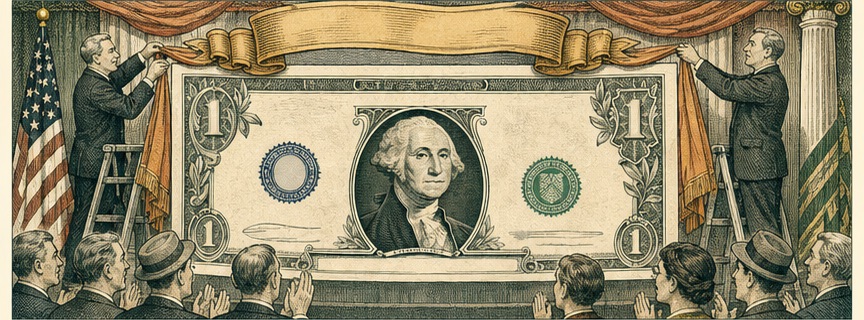
“In God We Trust” first appears on U.S. paper currency, beginning with the 1957 $1 silver certificate.
More details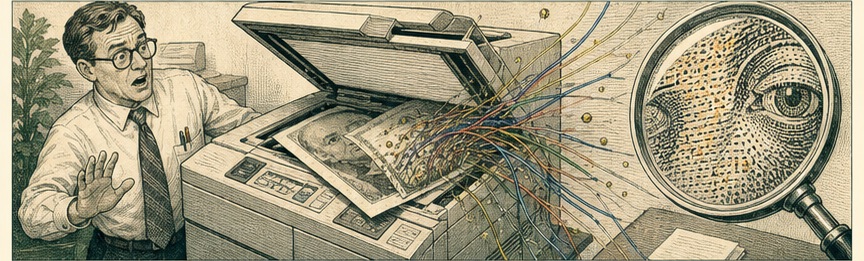
Security threads and microprinting debut on the $100 note to frustrate office-equipment-based monetary policy.
More details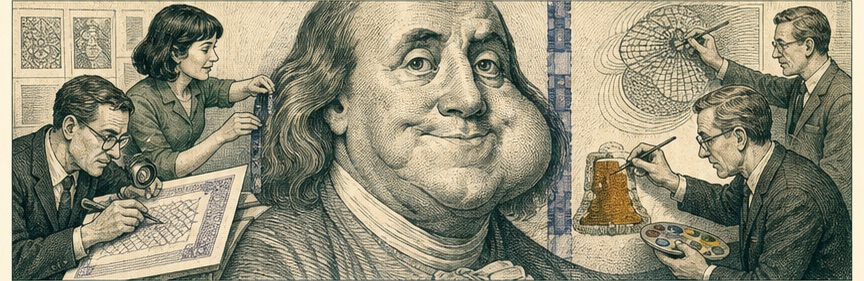
The first major redesign since the 1920s enlarges portraits and adds counterfeit deterrents. Executive headshot inflation begins.
More details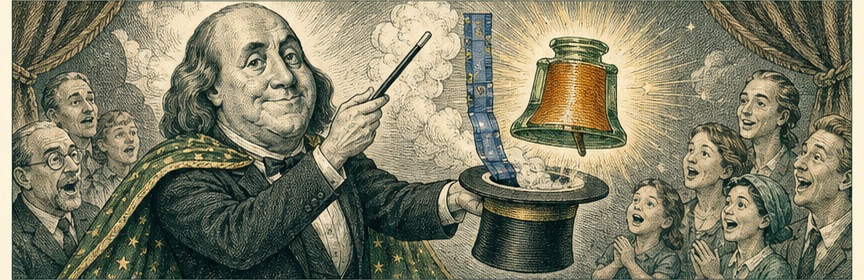
The redesigned $100 adds a blue 3-D security ribbon and color-shifting bell. Money briefly becomes a magic trick.
More details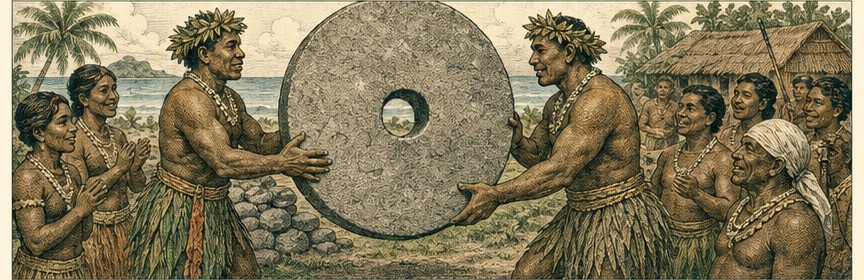
Rai stones can weigh thousands of pounds and are still occasionally exchanged. Your bank balance has never been harder to steal discreetly.
More details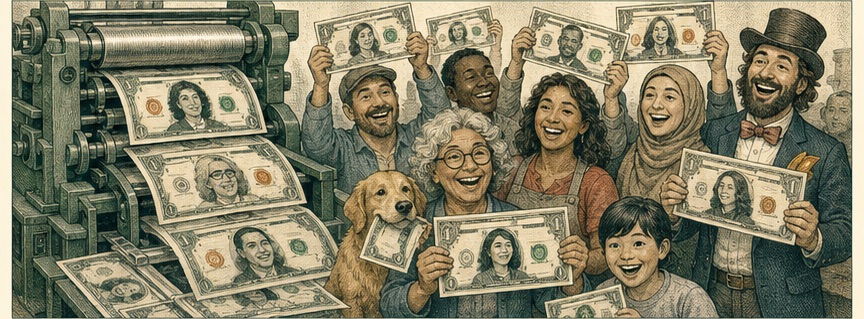
Make Money Fast introduces currency backed by personal confidence, free shipping, and absolutely no central bank.
More details