The cow standard
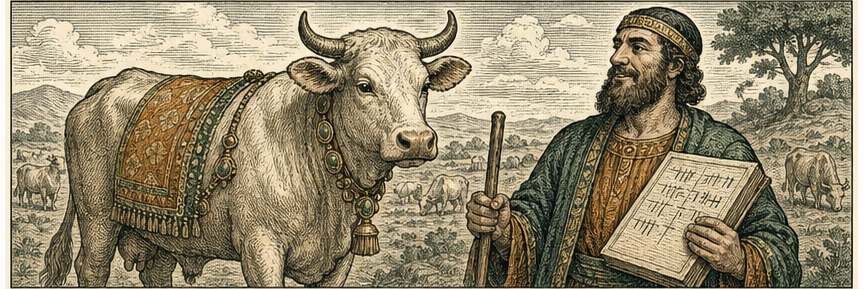
Cattle were not merely dinner with administrative complications. Across many pastoral societies they represented wealth, status, obligation and social continuity—an asset class capable of reproduction, milk production and abruptly standing somewhere else.
A balance sheet with horns
Livestock can preserve value while producing other valuable things. Cattle provide milk, labor, hides, meat and offspring, which made them a practical store of wealth in economies where land, climate and community organization supported herding. Unlike a coin, a healthy herd could grow without a quarterly earnings call.
But cattle are not small-denomination instruments. They require food, water, protection and knowledge. They get sick. They resist being stacked. This made cattle wealth inseparable from relationships and responsibilities rather than an anonymous token passed across a counter.
Wealth that connects people
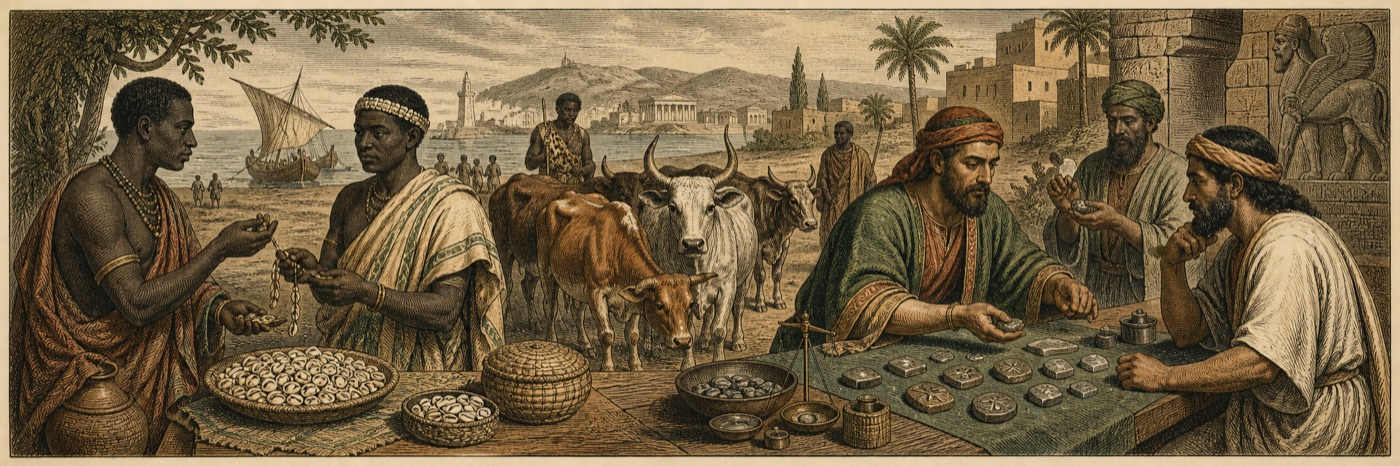
In southern Africa, cattle have historically played central roles in social and ceremonial life, including negotiations around marriage and kinship. Museums describe them not simply as property but as a primary measure of wealth and a visible part of political and family relationships.
That social role is important. Money is often described as a neutral measuring device, yet systems of value always reveal what a society can produce, protect and recognize. A herd recorded capacity, alliances and continuity in a way that a silent number in an account could not.
The institutional finding
The cattle standard reminds us that a financial instrument can be useful precisely because it is not merely financial. Its awkwardness was also evidence: a herd was difficult to invent, conceal or transfer casually. The audit arrived daily, made noise and required grass.
Sources & further reading
These references support the factual claims. The institutional conclusions remain the sole responsibility of our highly decorative committee.
- 01The Metropolitan Museum of Art — Arts of Africa
Museum context on cattle as wealth among southern African peoples.
- 02British Museum — African pastoral headrest
Collection context for pastoral material culture and livestock wealth.